
L2 · Knowledge & Intelligence
Data Studio
Persistent context, knowledge graph and document store (RAG). Company memory governed from one place — Emploids access trusted knowledge.
How it works
Get started with Data Studio in 6 steps.
Build a data model
Define business entities and relations
Upload documents
Drag & drop — PDF, Word, Excel, pages
Sync & chunk
Auto parser + embedding
Knowledge graph
Entity & relationship extraction
Bind to Emploid
Which role accesses which collection
Monitor & update
Stale doc alerts, versioning
Capabilities
Three core jobs, one surface.
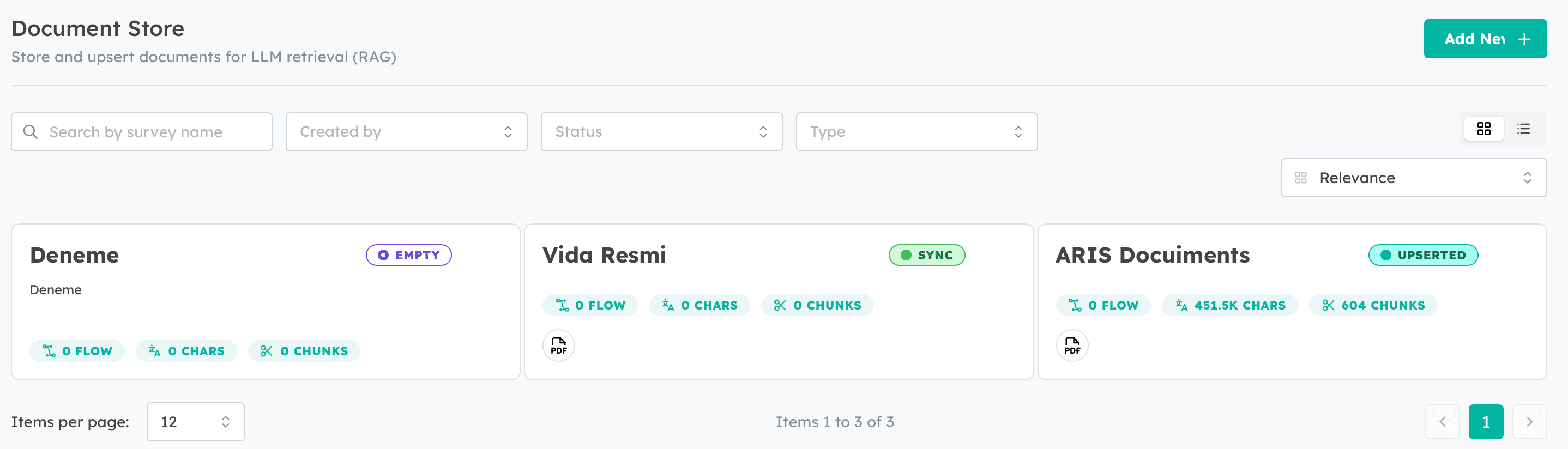
Document store (RAG)
PDF, Word, Excel, web pages, emails — all under one collection structure. PyMuPDF + Tesseract + embedding pipeline. Stale documents are flagged automatically.
- OCR + native parser
- Chunk / character visibility
- Sync state (empty / sync / upserted)
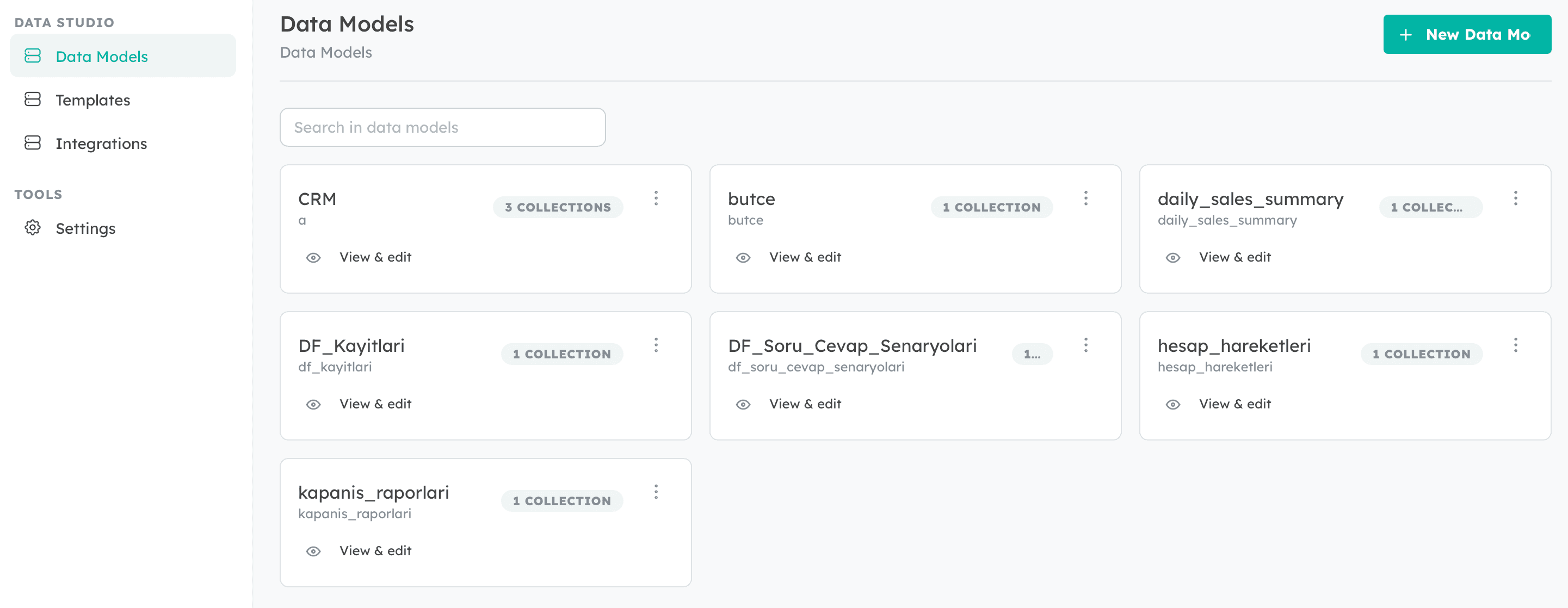
Data models & collections
Model business entities (Customer, Contract, Account Movement, Budget Item) and split them into collections. Emploids see only what they need under RBAC.
- CRM / Budget / Account models
- Multi-tenant collections
- Access and masking rules
CRM
3 koleksiyon
Bütçe
1 koleksiyon
Hesap Hareketi
12 koleksiyon
Sözleşme
5 koleksiyon
DPIA Envanteri
1 koleksiyon
Bilgi Bankası
8 koleksiyon
Knowledge Graph Engine
Automatic entity and relationship extraction from documents. "Who are the parties in this contract?" is answered against the graph, not by re-reading docs.
- Entity / relationship extraction
- Graph + vector hybrid retrieval
- Cypher-style query support
Technical capabilities
Technology powering Data Studio
Integrations
Related
Continue across the platform.
Bring this capability to your processes.
A working prototype in 2 weeks — let's measure and decide together.